


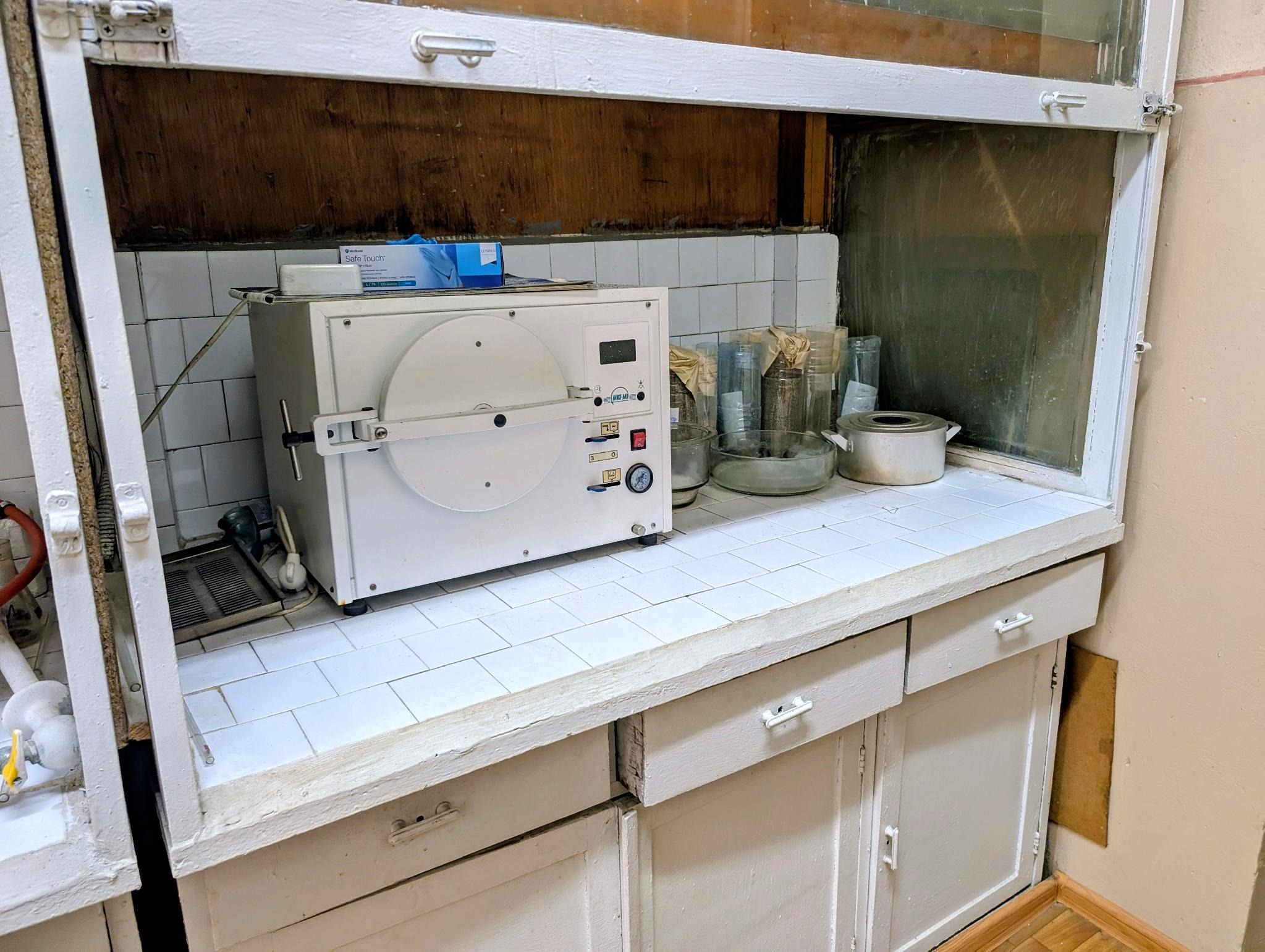
The Educational and Scientific Laboratory of Physical and Mechanical Properties of Soil operates within the Department of Environmental Protection Technologies and Occupational Safety at Ivano-Frankivsk National Technical University of Oil and Gas. The laboratory is a specialized educational and scientific unit, focusing on researching the physical, mechanical, physico-chemical, and environmental properties of soils, assessing their level of technogenic pollution, studying degradation processes, and developing modern approaches to the restoration of disturbed lands.
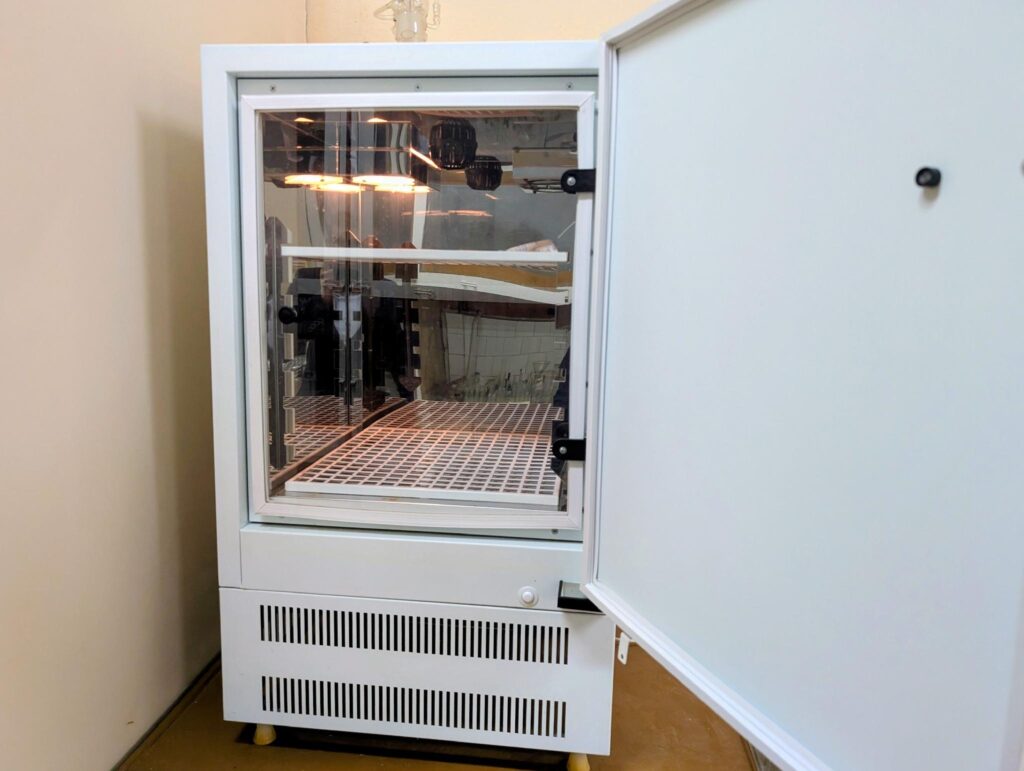
The material and technical resources of the laboratory facilitate the conduct of educational classes, laboratory practicums, and the completion of course, qualification, and research projects by higher education students, graduate students, and academic staff. The laboratory is used for conducting fundamental and applied research in the fields of ecology, soil science, environmental monitoring, and reclamation of areas disturbed by economic activity.
The main focus of the laboratory’s activities is the study of the physical and mechanical properties of soils, specifically determining the granulometric composition, moisture, density, porosity, permeability, plasticity, liquid and plastic limits, water retention capacity, structure, and aggregate composition of soils. The obtained results are used to assess the condition of the soil cover, predict changes in its properties under the influence of natural and anthropogenic factors, and develop measures for the rational use of land resources.
An important focus of the laboratory’s work is studying the impact of heavy metals and other anthropogenic pollutants on the physicochemical properties of soils. Research is conducted on the processes of accumulation and migration of toxic elements in the soil environment, evaluating their impact on soil fertility, biological activity, and the state of ecosystems. Special attention is given to determining the content of lead, cadmium, zinc, copper, nickel, chromium, and other potentially hazardous elements.
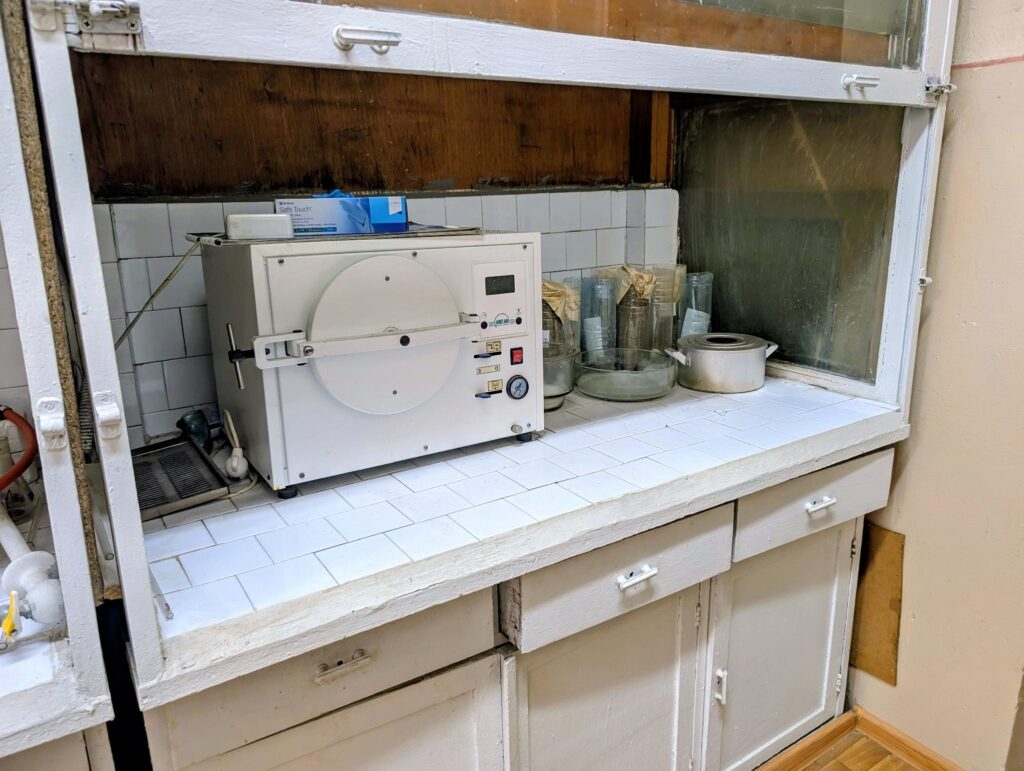
The laboratory also conducts research on the efficiency of various methods for the recovery and reclamation of contaminated soils. Within the scope of scientific research, assessments are made of the potential use of natural sorbents, organic materials, nanomaterials, and other modern technologies to reduce the mobility of heavy metals and improve the physico-chemical characteristics of the soil environment. Significant attention is given to issues of phytoremediation, bioremediation, and the use of environmentally safe methods for soil purification.
The laboratory is equipped with tools for the preparation and analysis of soil samples, determination of physical and mechanical properties, moisture, density, granulometric composition, acidity, and other soil quality indicators. The material and technical base allows for comprehensive studies of soil conditions and evaluation of the effectiveness of various restoration technologies.
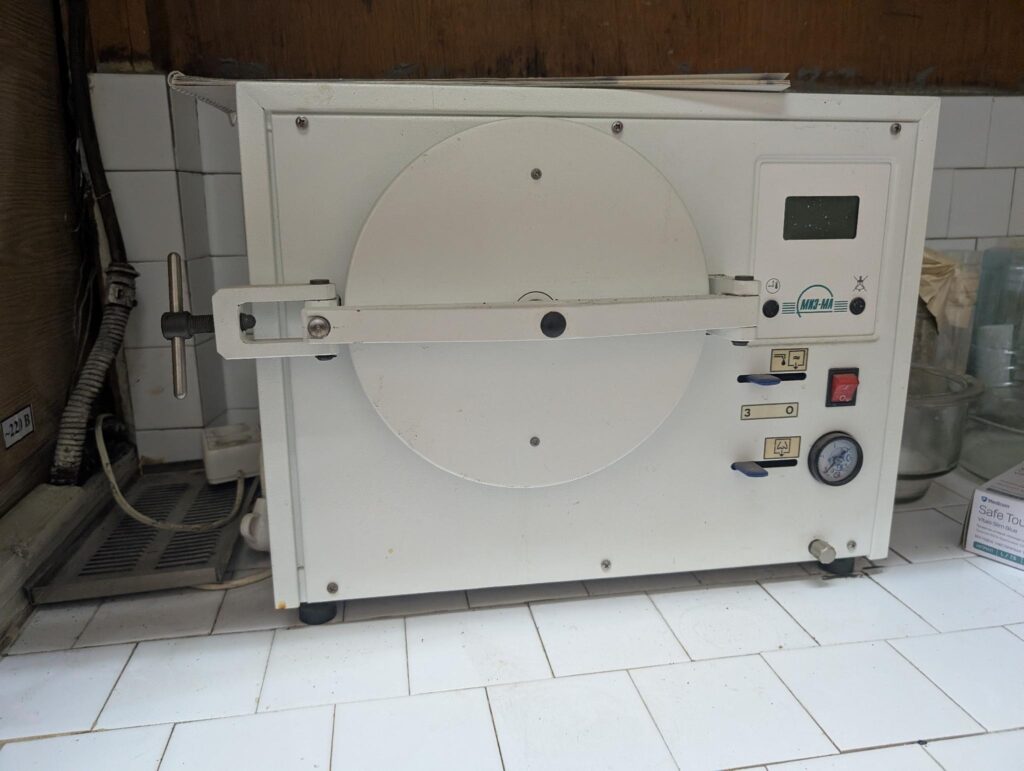
Scientific research is conducted in the laboratory, aimed at assessing the environmental condition of soils, studying the consequences of technogenic load, monitoring heavy metal pollution, developing reclamation methods, and implementing innovative technologies for soil cover restoration. The research results are used in the preparation of scientific publications, execution of state-funded and contract-based projects, as well as in the educational process.
The Educational and Scientific Laboratory of Physical and Mechanical Properties of Soil is an important component of the university’s scientific and educational infrastructure, providing training for highly qualified specialists in the fields of ecology, environmental protection, soil science, and environmental technologies.