


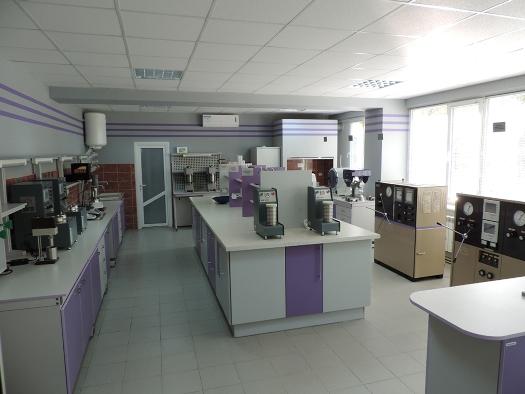
The Educational and Research Laboratory of Cementing Solutions operates based on the Department of Drilling Wells at the Ivano-Frankivsk National Technical University of Oil and Gas. The laboratory was established in 2015 with the support of department alumni, DTEK company, and UkrSCS LLC. It is a modern scientific and educational center where students, postgraduates, and specialists in the oil and gas industry acquire practical skills in well cementing and conduct applied research on cementing materials.
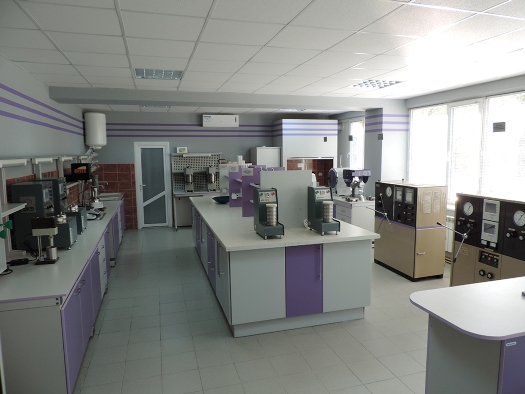
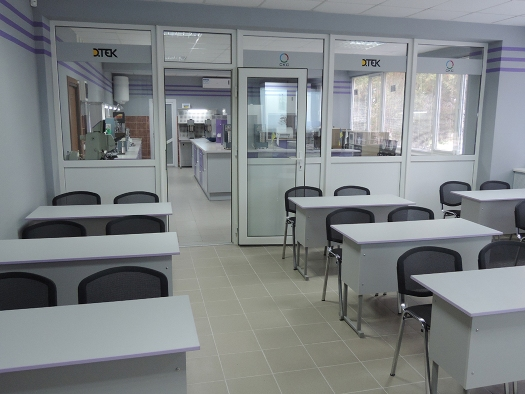
The laboratory is located in three functional rooms of the university’s main building (rooms 0.103a and 0.103b) with a total area of 108 m². The first room, with an area of 36 m², is designated for theoretical lessons and equipped with modern multimedia technology connected to the Internet. The second room, with an area of 54 m², is the main space for laboratory research with 11 workstations and a supervisor’s desk. The third room, with an area of 18 m², serves as a methodological office where sealing materials and chemical reagents are stored.
Areas of Activity
In its work, the laboratory covers three key areas:
- Training and professional development. Training specialists with the necessary level of knowledge to perform well cementing operations, conducting trainings, courses, and electives for the personnel of oil and gas enterprises.
- Standardized Testing. Research on plugging cements and materials according to the requirements of DSTU B V.2.7.88-99, DSTU B V.2.7.87-99, DSTU B V.2.7.86-99, and the international standard ISO 10426-2.
- Scientific Research. Development of formulations for plugging wellbore fluids for wells with abnormally low and abnormally high pressures, with expanding stone properties, for chemogenic rocks and wells with elevated temperatures; monitoring of technological properties of fluids directly during cementing; conducting research upon enterprises’ request.
Study of Cement and Grouting Materials Properties
The laboratory conducts a full cycle of research — from the characteristics of the initial cement to the properties of the hardened stone:
- Determination of density, fineness, and bulk density of cement.
- Determination of apparent and true density of grouting solutions, their fluidity and consistency under normal and thermobaric conditions.
- Determination of Water Discharge and Filtration with Modeling of Well Bottom Conditions.
- Determination of rheological properties and the initial and final setting times.
- Forming cement beams under normal and thermobaric conditions, determining their compressive and flexural strength, assessing the degree of stone expansion during hardening.
Laboratory Equipment
Preparation of Tamponage Solution
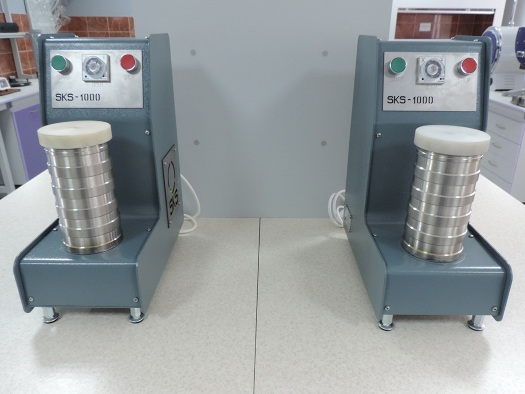
Mixer SKS-1000 designed for preparing cementing solutions in accordance with the requirements of the DSTU B V.2.7.88-99 standard. Provides reproducible mixing conditions necessary for comparative tests.
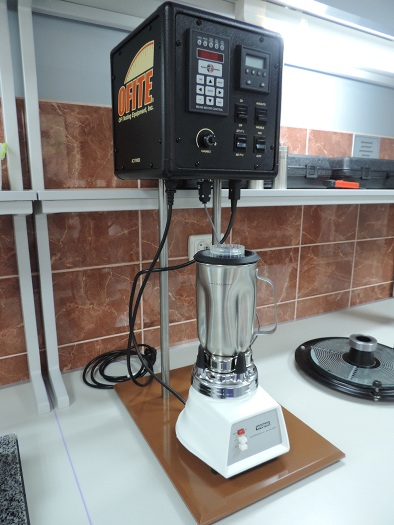
OFITE Constant Speed Mixer Model 20 is used for preparing cementing solutions in accordance with ISO 10426-2 (Section 5). The maximum rotational speed is 12,000 rpm, which allows modelling real mixing conditions of cement slurry at the wellsite.
Density Determination
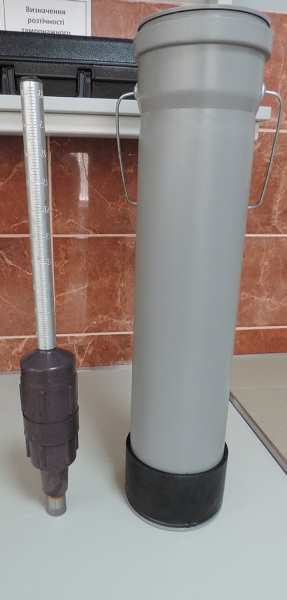
Hydrometer ABR-1M andOFITE OFI Atmospheric used to determine the apparent and true density of grouting solutions under atmospheric pressure. For measurements under increased pressure, OFITE OFI Pressurized Lever Scales — a device that ensures accurate determination of the density of solutions with dissolved gases or under pressurization conditions.
Consistency Determination
Consistometer KC-5 designed to determine the consistency of cementing solutions at normal pressure and temperatures up to 90 °C. The device simulates the conditions of pumping the solution in the casing column and allows tracking the beginning of setting.
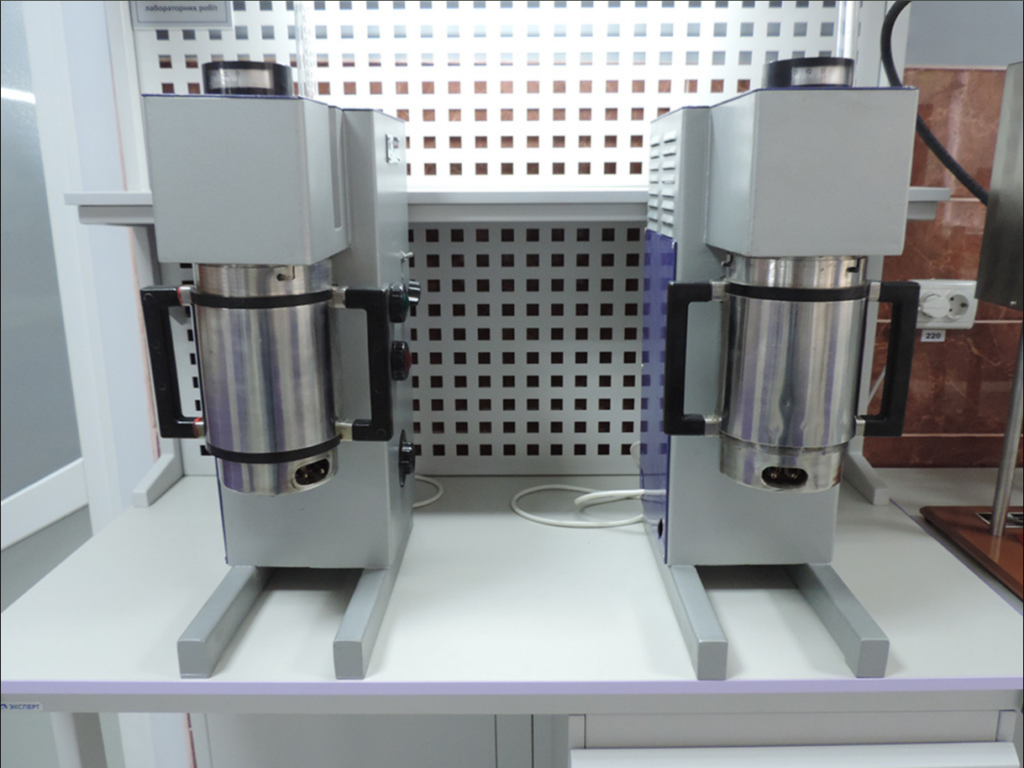
Consistometer KC-3 — a device for studying consistency under specified thermobaric conditions: temperature up to 200 °C, pressure up to 100 MPa. This allows for modeling real conditions of deep wells and developing formulations for complex geological conditions.
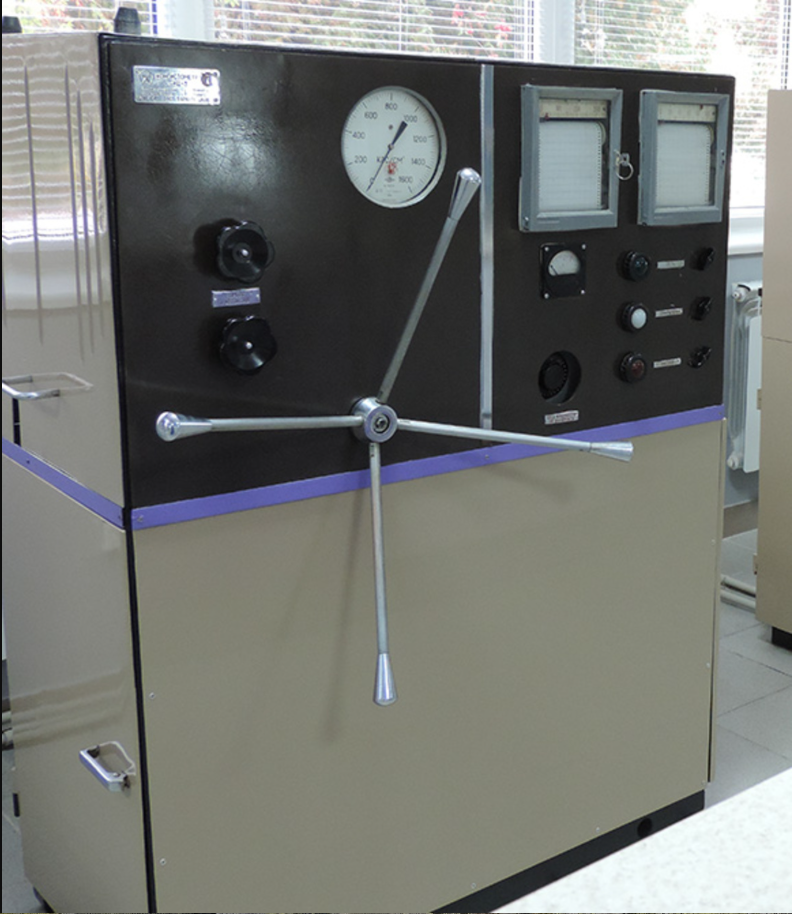
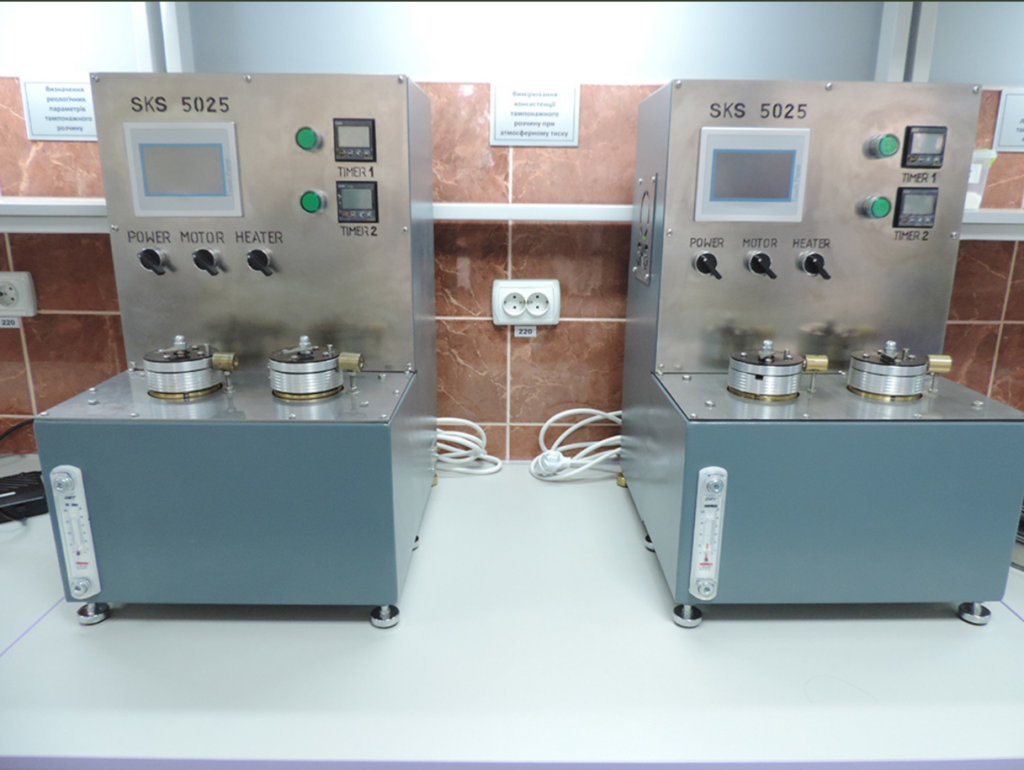
Consistometer SKS-5025 combines the functions of determining consistency at temperatures up to 95 °C and conditioning cement slurries before conducting other types of research.
Rheological properties
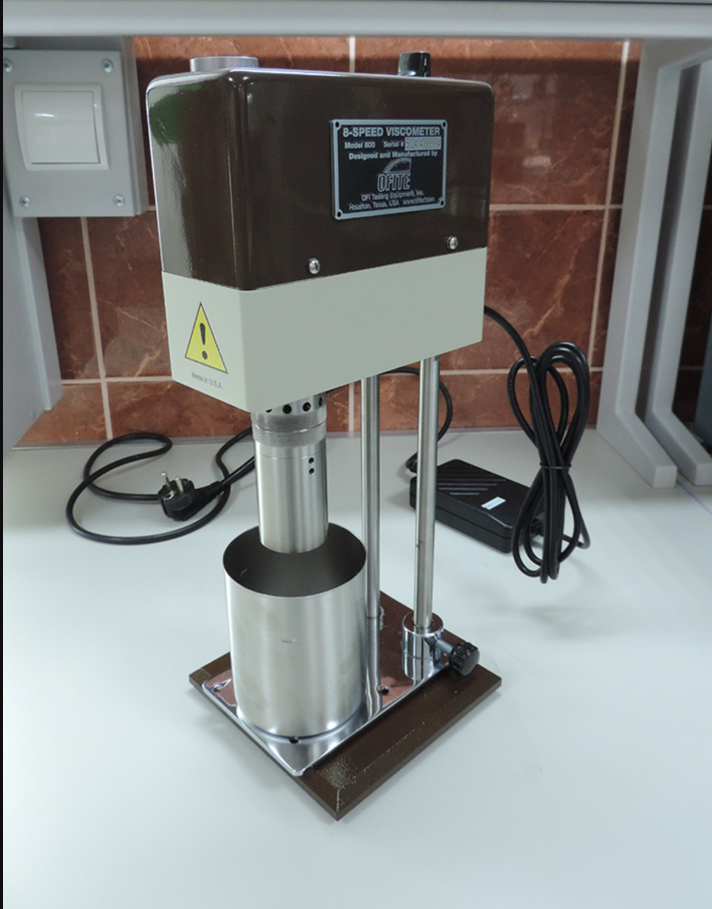
Viscometer OFITE 800 (API 13B) designed to determine the rheological properties of cementing slurries at room temperature and elevated temperatures up to 90 °C. The device measures plastic viscosity, yield point, and other parameters necessary for the hydraulic calculation of cementing.
Filtration properties
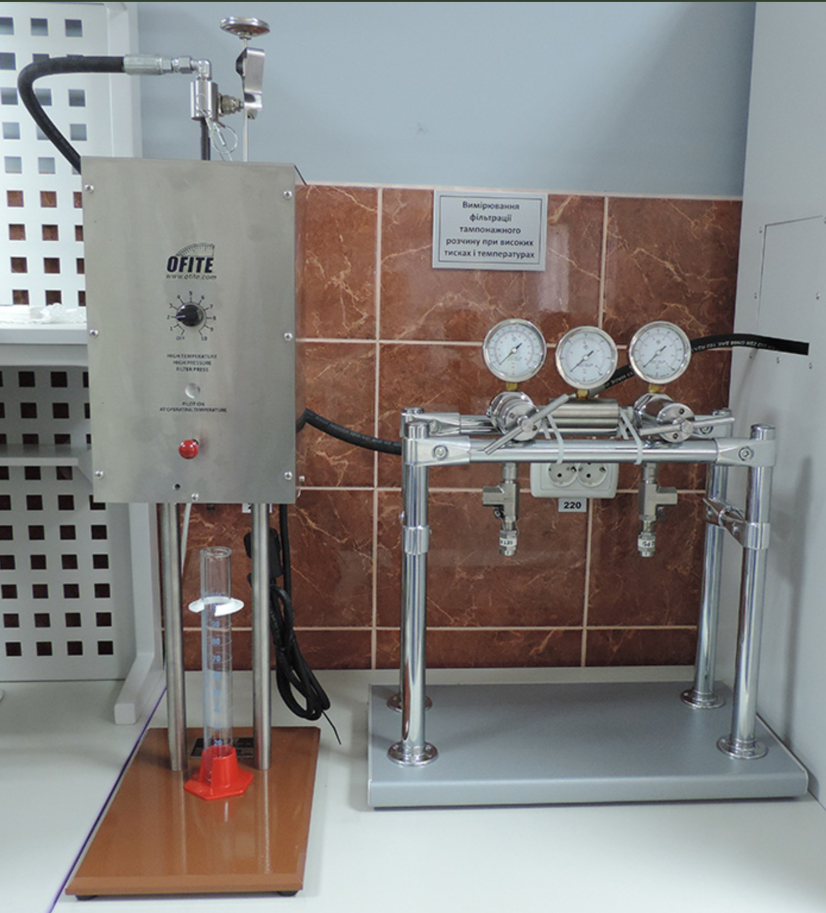
Filter-press OFITE HT HP designed to simulate wellbore conditions and determine the filtration properties of cementing slurries in accordance with ISO 10426-2 (Section 10). The test temperature can reach 175 °C, allowing for accurate reproduction of the thermobaric load on the slurry during the cementing process.
Formation and Testing of Cement Stone
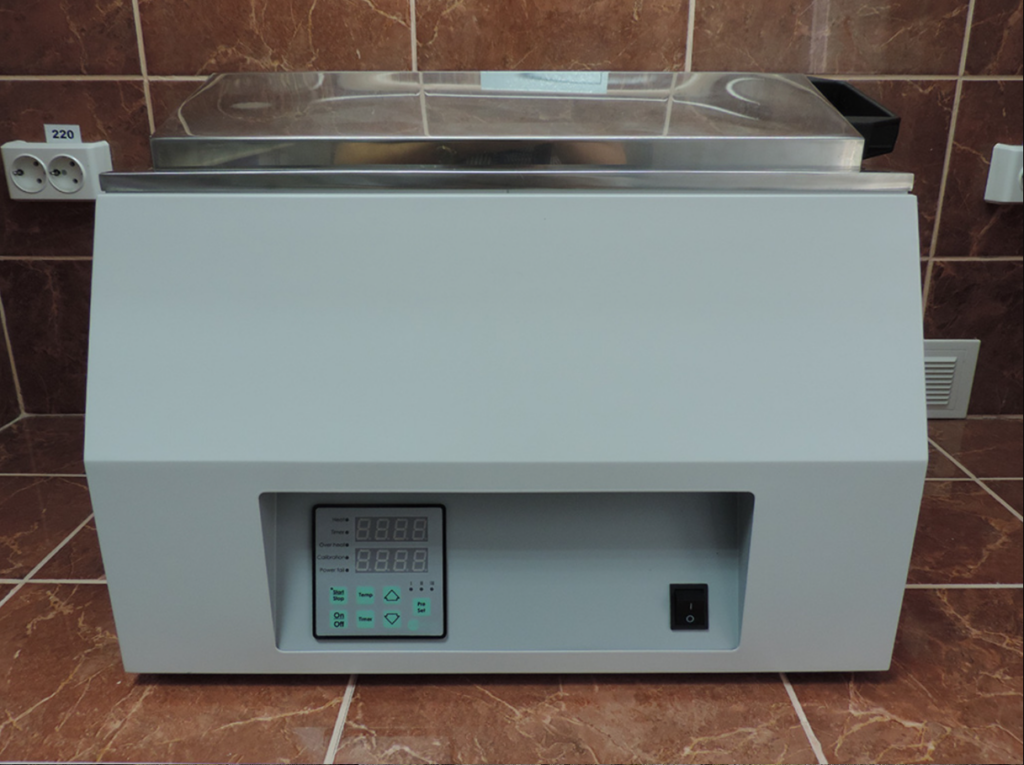
Labexpert 1016 Water Bath designed for forming samples of cement ston under hydrothermal conditions in the temperature range of 5–100 °C. Ensures a stable temperature environment throughout the entire cement setting process.
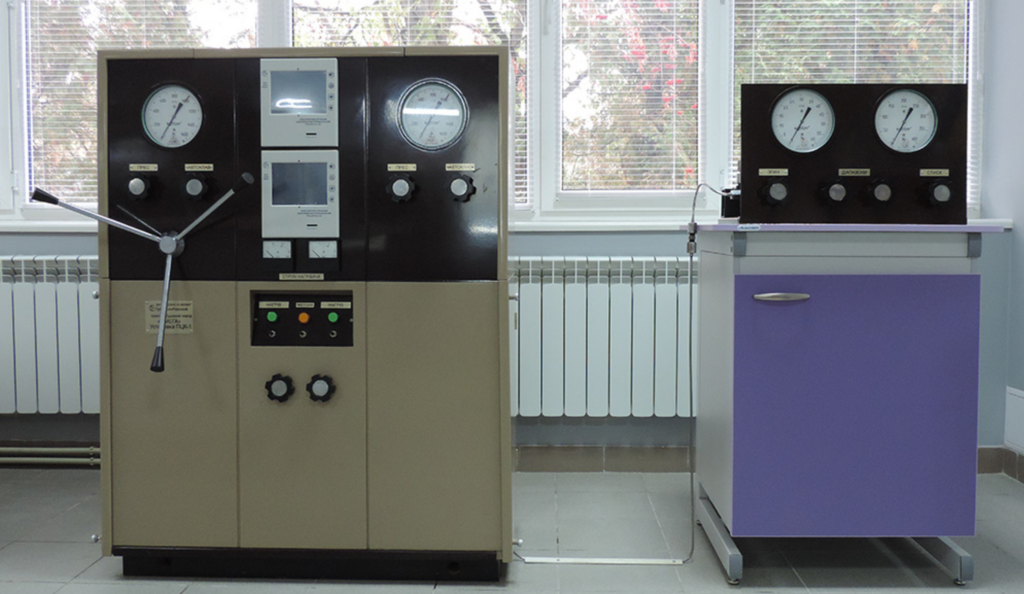
Device PCK-1 allows the formation of cement beams under thermobaric conditions and directly determines their compressive and bending strength. The device replicates cement hardening conditions in an actual well.
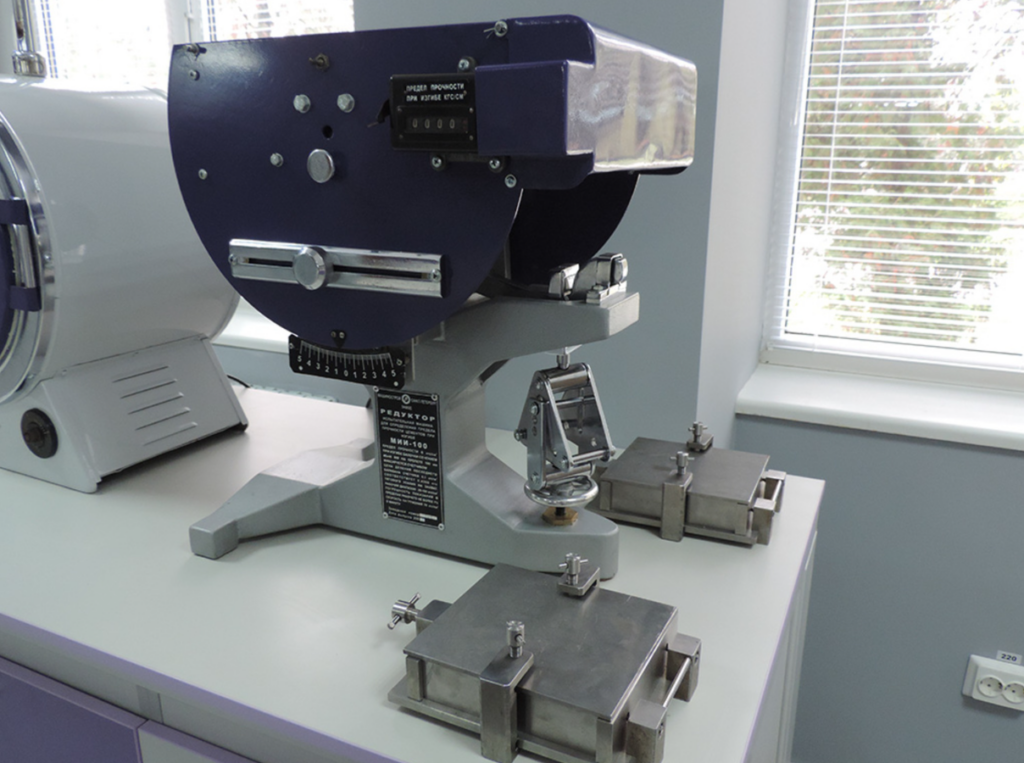
Device MII-100 designed to determine the flexural strength of cement beams — a parameter critical for assessing the long-term mechanical stability of the cement sheath in a cased well.
Auxiliary Equipment
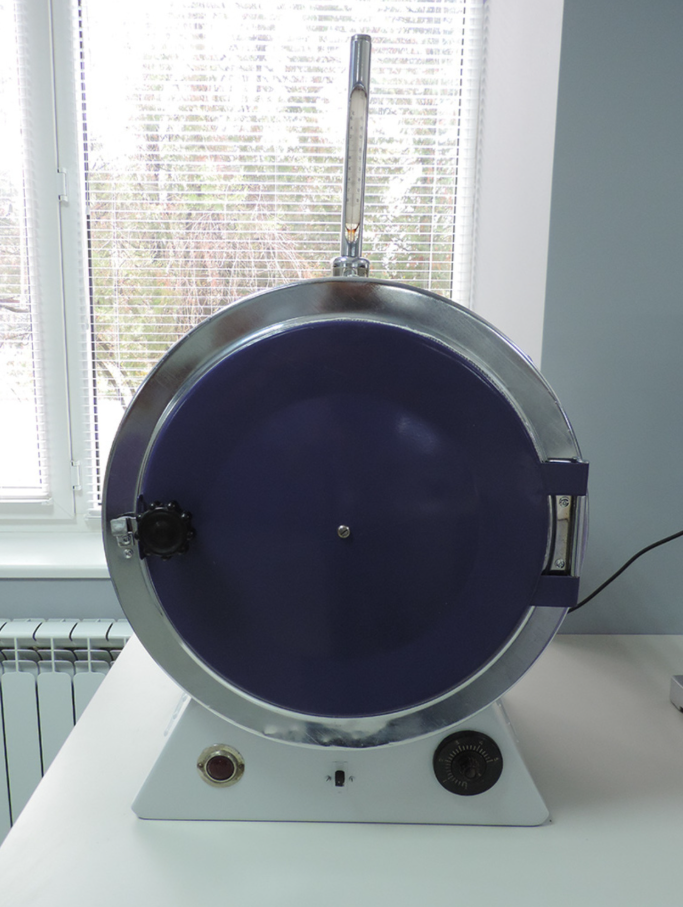
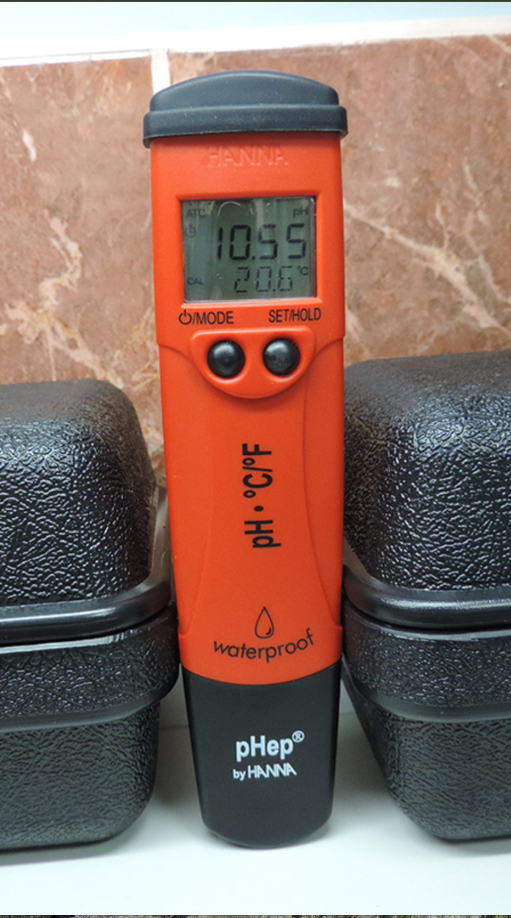
The laboratory also includes a drying oven for removing moisture from samples of cementing materials before research and pH-meter pHep for determining the concentration of hydrogen ions in the cement slurry—a factor that affects the setting kinetics and compatibility of chemical reagents.
Scientific Activity
Scientific research is conducted in the laboratory for oil and gas enterprises, specialized formulations of cementing solutions are developed for complex geological conditions, and technological properties of solutions are monitored directly during well cementing. The research methodology and laboratory equipment meet Ukrainian and international standards, ensuring recognition of results within the industry community.
The laboratory is open for partnerships with oil and gas companies, scientific institutions, and educational organizations. We invite collaboration in conducting research, enhancing staff qualifications, and implementing joint scientific projects.